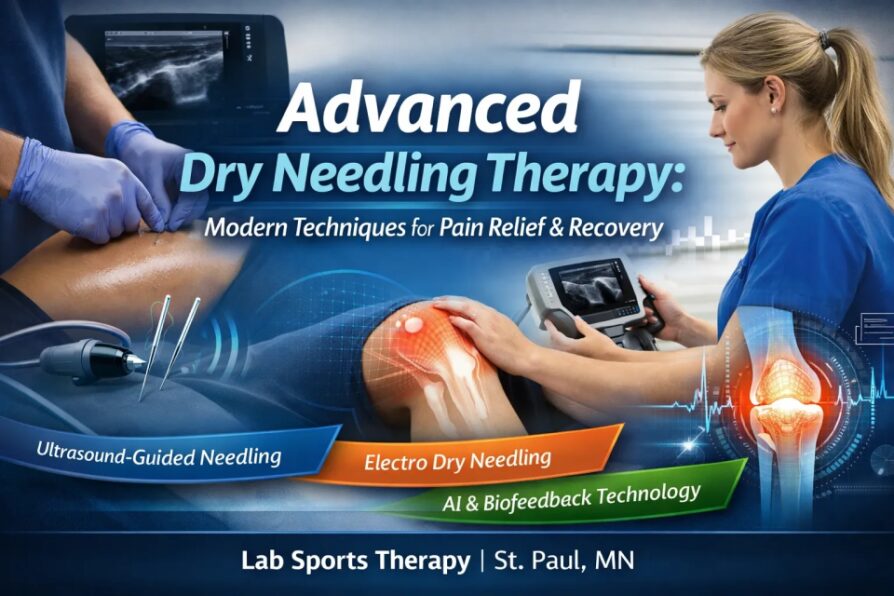
Modern Technology Enhancing Dry Needling Therapy
Dry needling has evolved significantly with the integration of advanced technology, making treatments more precise, effective, and patient-focused. These innovations are helping physical therapists deliver better outcomes, especially for complex muscle and sports-related injuries.
Ultrasound-Guided Dry Needling
One of the most important advancements is ultrasound-guided dry needling. This technique allows therapists to visualize muscles, tendons, and surrounding structures in real time, ensuring accurate needle placement. It is especially useful for targeting deep muscles and improving safety during treatment.
Electro Dry Needling (Electrical Stimulation)
AI-Assisted Ultrasound Technology
Biofeedback and Muscle Activity Monitoring
The Future of Dry Needling in Physical Therapy
With these advancements, dry needling therapy is becoming more precise, efficient, and results-driven, making it an increasingly valuable part of modern physical therapy and sports rehabilitation programs.
If you’re in St. Paul, connect with us for personalized and advanced dry needling therapy. Expert care is focused on relieving pain, improving mobility, and supporting faster recovery through modern physical therapy techniques.