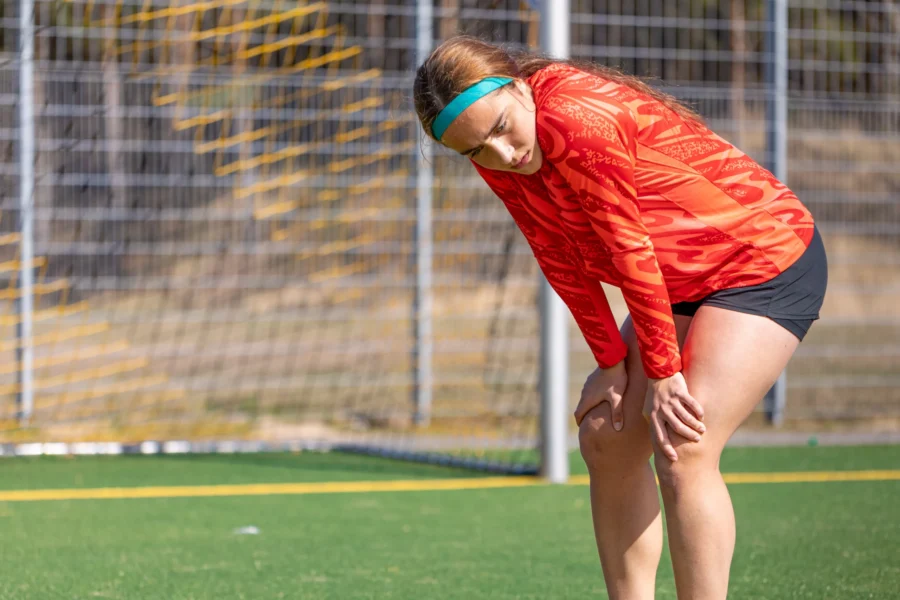
ACL Injuries in Soccer Players in St. Paul: Rehab and Prevention Guide
Soccer is one of the most physically demanding sports, involving quick direction changes, sudden stops, and high-impact movements. Because of this, ACL (Anterior Cruciate Ligament) injuries are quite common among soccer players. If you’re in St. Paul and dealing with knee pain or recovering from an ACL tear, understanding the right rehabilitation and prevention strategies is key to getting back on the field safely.
What Is an ACL Injury and Why Is It Common in Soccer?
The ACL is a major ligament in the knee that provides stability during movement. In soccer, actions like pivoting, jumping, and sudden deceleration put a lot of stress on this ligament.
Common causes include:
- Sudden changes in direction
- Landing incorrectly from a jump
- Direct collision or tackle
- Weak muscle support around the knee
ACL injuries are among the most frequent ligament injuries in sports involving rapid movement and agility.
Signs and Symptoms of ACL Injuries
Recognizing the symptoms early can prevent further damage and speed up recovery.
- A “popping” sound at the time of injury
- Immediate swelling in the knee
- Instability or feeling like the knee may give out
- Pain during walking, running, or turning
If you notice these signs, it’s important to seek professional evaluation rather than continuing to play.
Why Physical Therapy Is Essential for ACL Rehab
Rest alone is not enough to fully recover from an ACL injury. A structured physical therapy program helps restore strength, mobility, and stability.
At Lab Sports Therapy, rehabilitation programs focus on:
- Improving knee stability and joint control
- Restoring range of motion
- Strengthening surrounding muscles like quadriceps and hamstrings
- Preparing athletes for a safe return to sport
You can also learn more about early-stage recovery through their detailed guide on pre-surgical physical therapy for ACL injuries.
Key Phases of ACL Rehabilitation
1. Early Recovery Phase
Focuses on reducing swelling, restoring basic movement, and protecting the knee.
2. Strength and Stability Phase
Targets muscle strengthening, especially in the quadriceps, hamstrings, and glutes.
3. Functional Training Phase
Includes sport-specific exercises like agility drills, balance work, and controlled movements.
4. Return-to-Play Phase
Gradual progression back to soccer with proper monitoring and injury prevention strategies.
For more advanced rehab exercises and recovery tips, check out our blog – ACL injury treatment physical therapy rehab exercises and prevention
How Soccer Players in St. Paul Can Prevent ACL Injuries
Prevention is just as important as treatment, especially for athletes who want to stay consistent in their performance.
- Strength training to support knee stability
- Proper warm-up routines before practice or matches
- Improving landing mechanics to reduce stress on knees
- Balance and agility training for better control during movement
- Regular physical therapy check-ups to identify risk factors early
When Should You See a Physical Therapist?
If you experience knee pain, instability, or difficulty performing soccer movements, it’s best not to wait. Early intervention can prevent minor issues from becoming serious injuries.
A physical therapist can assess movement patterns, identify weaknesses, and create a personalized rehab or prevention plan tailored to your sport and activity level.
Final Thoughts
ACL injuries can be challenging, but with the right approach, recovery is absolutely possible. For soccer players in St. Paul, combining proper rehabilitation with preventive strategies can help you return to the game stronger and more confident.
Whether you’re recovering from an injury or looking to prevent one, working with experienced professionals like Lab Sports Therapy ensures you receive the care and guidance needed for long-term performance and injury-free play.